


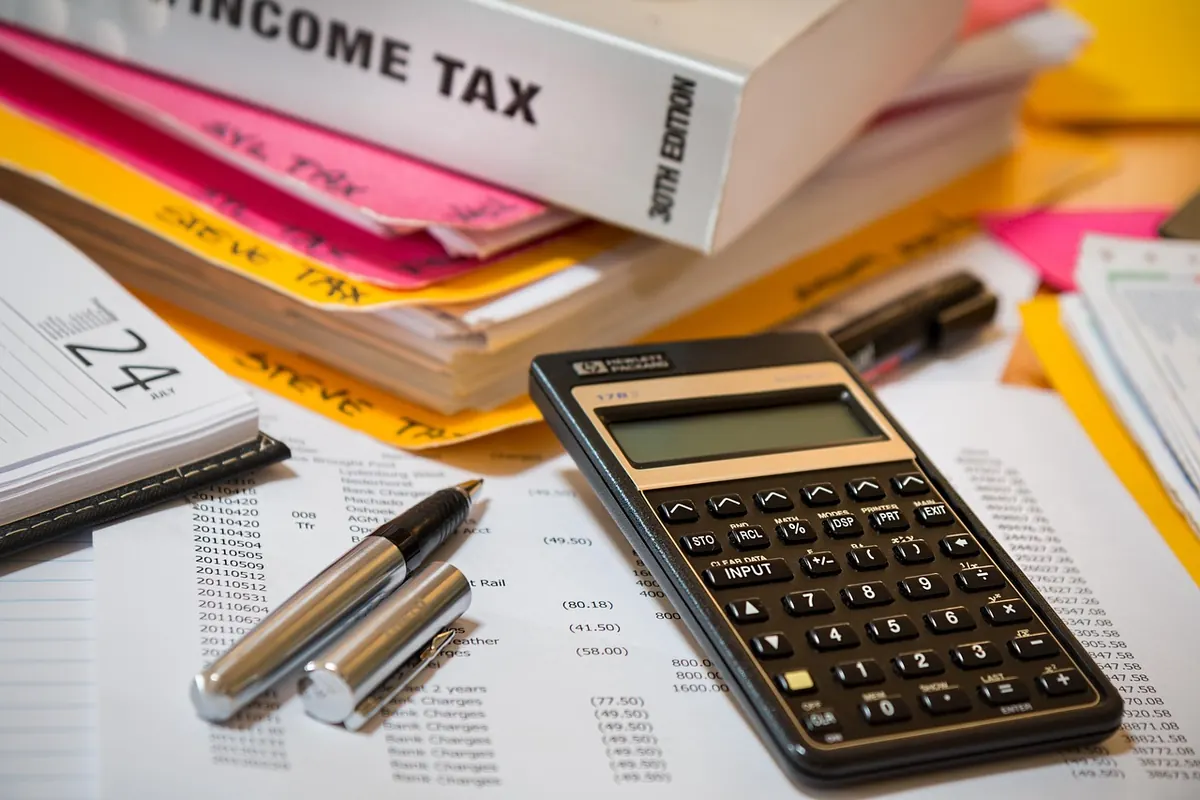


The UK tax year ends on 5 April, and if you hold XRP, that date matters more than you might think. It is not just about selling for pounds. Swapping XRP for another token, spending it on goods, or even receiving an airdrop can have tax consequences. The weeks before the deadline are the right time to get your records straight, work out whether you owe capital gains tax, and avoid a last-minute scramble.
What counts as a disposal for XRP?
HMRC treats cryptoassets like XRP as property for tax purposes. You do not pay tax simply for holding XRP or moving it between your own wallets. But a disposal happens when you:
- Sell XRP for pounds or another fiat currency.
- Exchange XRP for a different cryptoasset, such as Bitcoin or Ether.
- Use XRP to pay for goods or services.
- Gift XRP to someone other than your spouse or civil partner.
- Possibly receive XRP from an airdrop or fork (rules differ; check the specifics).
Each disposal can trigger a capital gain or loss. You need to know the pound sterling value at the time of the transaction, not just the XRP amount.
Why the tax year end matters
The UK tax year runs from 6 April to 5 April. If your total capital gains across all assets exceed the annual exempt amount, you may need to report them to HMRC. The allowance has been reduced in recent years, so more people are finding themselves in the reporting net. Even if your gains are below the allowance, you might still need to report if your total sale proceeds exceed a certain threshold. Check the current figures on GOV.UK or with an accountant.
Reporting is done through Self Assessment. If you are not already registered, the deadline to register is 5 October after the tax year ends. The deadline to pay any tax is 31 January. The tax year end itself is your prompt to get organised, not the final filing deadline.
Your XRP record-keeping checklist
Good records make everything easier. HMRC expects you to keep detailed information about every crypto transaction. For XRP, that means:
- Date of each transaction.
- Type of transaction (buy, sell, swap, spend, receive).
- Amount of XRP involved.
- Value in pound sterling at the time.
- Any fees paid, in XRP or GBP.
- The exchange or platform used.
- Wallet addresses involved, especially if you use multiple wallets.
- Transaction IDs (hashes) from the XRP Ledger or exchange statements.
Keep these records for at least five years after the 31 January following the tax year. So for the 2024/25 tax year, keep records until at least 31 January 2031. HMRC can ask to see them. Digital copies are acceptable, but back them up somewhere secure.
How to calculate your capital gains
XRP is subject to the same pooling rules as other cryptoassets. You need to match disposals to acquisitions in a specific order: same-day transactions first, then transactions within 30 days, then the rest goes into a pooled section 104 holding. The pool has an average cost basis.
Here is a simple illustration. Suppose you bought 1,000 XRP for £500 in 2023. In January 2025, you bought another 500 XRP for £400. You now have a pool of 1,500 XRP with a total cost of £900, or £0.60 per XRP. If you sell 300 XRP for £300, your cost for those 300 is £180 (300 x £0.60). Your gain is £120 before fees. These figures are just for illustration; your actual numbers will differ.
If you have made many trades, manual calculations become messy. Crypto tax software can import exchange data and apply the rules, but always check the output. If your affairs are complex, a tax adviser who understands crypto is worth the cost.
Common mistakes to avoid
A few traps catch XRP holders year after year:
- Using the wrong exchange rate. HMRC wants GBP values, not USD.
- Forgetting small trades. Every disposal counts, even a £10 swap.
- Ignoring fees. Fees can reduce your gain but must be recorded.
- Mixing up wallets. Transfers between your own wallets are not disposals, but you still need to show the trail.
- Assuming airdrops are tax-free. They may be income or capital, depending on the circumstances.
- Leaving records on a closed exchange. Download statements while you still can.
- Not separating personal and business transactions.
If you have left it late
Start by gathering everything you can. Log into each exchange and download annual statements or transaction history. Check your XRP Ledger wallet for transactions using a blockchain explorer. If you used a now-defunct platform, look for old emails or bank statements. Reconstruct as best you can, and note any gaps.
Once you have the data, work through the disposals chronologically. Calculate gains and losses for each. Add up your total gains and losses for the tax year. If your net gain is above the annual exempt amount, or your proceeds are above the reporting threshold, you likely need to file. If you are unsure, seek professional advice. Tax rules can change, and your personal circumstances matter.
A practical wrap-up for 5 April
The tax year end is a checkpoint, not a crisis. Use it to reconcile your XRP records, confirm your GBP values, and estimate your capital gains. If you owe tax, set money aside. If you need to report, diarise the registration and payment deadlines. And if you have any doubt, speak to an accountant or tax adviser who deals with cryptoassets. A few hours of organisation now can save you a lot of stress later.
Photo: stevepb / Pixabay